Understanding the Basics of Sports Broadcasting
What is Sports Broadcasting?
Sports broadcasting encompasses the reporting, analysis, and commentary of live sporting events through various media channels, including television, radio, and online platforms. It allows fans to experience sports from their homes, connecting them with their favorite teams and athletes. The foundation of sports broadcasting rests on providing real-time updates, insightful commentary, and engaging storytelling that enhance the viewing experience. The essence of sports broadcasting is not just to relay information but to create an emotional connection between the audience and the event, making it a critical aspect of modern entertainment.
Significance of Sports Broadcasting in Modern Media
In today’s fast-paced digital world, Sports Broadcasting plays a pivotal role in modern media. It acts as a bridge between live sports events and their audiences, fostering a sense of community and shared experience among fans. The significance of sports broadcasting goes beyond mere reporting; it shapes cultural narratives, influences public perceptions of athletes and teams, and drives significant revenue for advertisers and broadcasters alike. Moreover, its ability to adapt to new technologies and platforms has heightened its visibility and expanded its reach, solidifying its place as a cornerstone of contemporary media.
Key Components of Successful Sports Broadcasting
Successful sports broadcasting relies on several key components:
- Content Knowledge: Broadcasters must have a deep understanding of the sport they cover, including rules, player statistics, and team dynamics.
- Technical Skills: Proficiency in using broadcasting technology and equipment is crucial for delivering high-quality coverage.
- Communication: Effective communication skills help broadcasters convey excitement and engage with the audience.
- Storytelling: The ability to weave narratives around events, players, and moments enhances viewer engagement.
- Adaptability: Broadcasting often involves adapting to live situations, requiring quick thinking and flexibility.
Equipment and Technology in Sports Broadcasting
Essential Gear for Broadcast Professionals
For aspiring sports broadcasters, acquiring the right equipment is essential to ensure a professional presentation. Key gear includes:
- Cameras: High-definition cameras are crucial for capturing the action, capable of filming from various angles.
- Microphones: Quality microphones, both handheld and lavalier, are necessary for clear audio during interviews and commentary.
- Broadcasting Software: Software that allows for live editing and distribution of content enhances production quality.
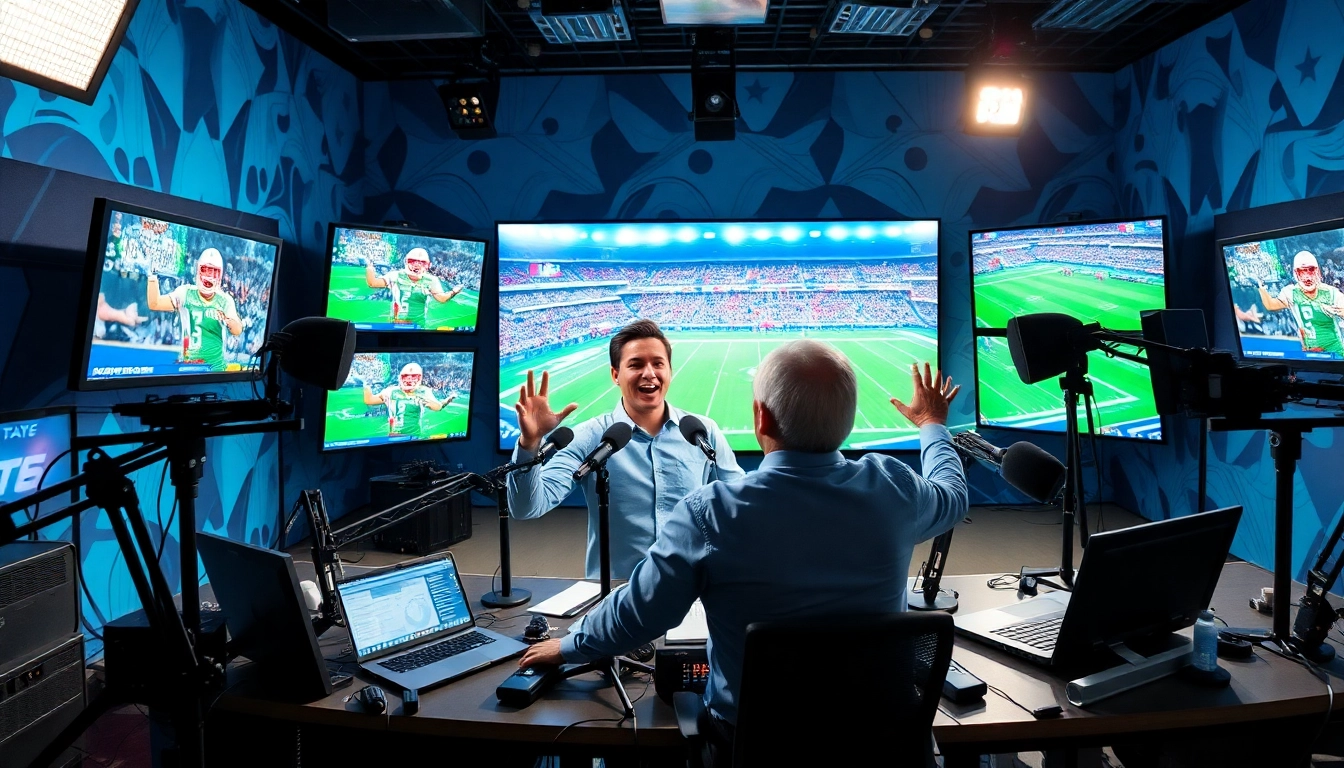
- Audio-Visual Gear: This includes switchers, mixers, and monitors that help in managing various feeds during a broadcast.
Advancements in Sports Broadcasting Technology
The landscape of sports broadcasting is continuously evolving due to technological advancements. Innovations such as virtual reality (VR) and augmented reality (AR) are changing how audiences experience sports. Broadcasters can enhance storytelling through immersive experiences, allowing fans to feel as if they are part of the event. Additionally, the use of drones for aerial shots provides unique perspectives, contributing to more engaging broadcasts. The integration of AI for real-time stats and analytics is transforming the way broadcasters prepare and deliver content. These advancements not only improve viewer experience but also create new opportunities for interactive advertising and sponsorship.
Setting Up a Broadcasting Environment
Creating an effective broadcasting environment is crucial for any production. Factors to consider include:
- Location: Choose a location with minimal background noise and optimal lighting to enhance audio and video quality.
- Layout: Arrange equipment strategically to facilitate smooth transitions between cameras and audio sources.
- Connectivity: Reliable internet and power sources are essential to prevent interruptions during live broadcasts.
- Testing: Conduct thorough testing of all equipment prior to the event to troubleshoot any potential issues.
Building Effective Communication Skills for Sports Broadcasting
Crafting Engaging Narratives in Sports
Engaging storytelling is at the heart of effective sports broadcasting. Broadcasters should focus on crafting narratives that reflect the human aspect of sports—highlighting struggles, triumphs, and the emotional journeys of athletes. Techniques for successful storytelling include:
- Character Development: Develop a rapport with athletes and teams to create a personal connection with the audience.
- Contextual Analysis: Provide historical context or current implications of events to deepen viewer understanding.
- Visual Elements: Use graphics and clips to complement narratives, enhancing emotional impact.
Interview Techniques for Sports Broadcasters
Interviews are a powerful tool for sports broadcasters to gain insights and add depth to their coverage. Effective interview techniques involve:
- Preparation: Research subjects thoroughly to ask insightful questions that elicit informative and engaging responses.
- Active Listening: Pay attention to interviewees’ answers, allowing follow-up questions to guide the conversation naturally.
- Building Rapport: Establish a comfortable environment to encourage openness and authenticity during interviews.
Maintaining Audience Engagement
Keeping audiences engaged is a fundamental aspect of sports broadcasting. Here are strategies to enhance engagement:
- Interactive Content: Encourage viewer participation through polls, social media engagement, and live Q&A sessions.
- Real-time Updates: Provide timely updates and commentary during live events to keep fans informed and engaged.
- Post-Event Analysis: Offer insights, analysis, and highlights after each event to maintain interest and conversation.
Analyzing Live Sports Events
Strategies for Real-Time Analysis
Real-time analysis is critical for enriching the viewing experience. Strategies include:
- Utilizing Analytics Tools: Employ software that tracks player performance metrics, providing valuable insights for commentary.
- Team Dynamics: Analyze team strategies and adjust commentary to reflect changes in game plans or player formations.
- Collaboration with Analysts: Work with sports analysts to provide expert opinions and enhance the depth of coverage.
Highlighting Key Moments Effectively
Highlighting key moments within a broadcast can significantly enhance viewer engagement. Broadcasters should:
- Prepare Clips in Advance: Select potential key moments during production briefings to streamline highlighting during live broadcasts.
- Use Slow Motion: Employ slow-motion replays to emphasize critical plays and allow viewers to appreciate them fully.
- Provide Narrative Context: Use commentary to contextualize key moments, enhancing their importance within the overall narrative of the event.
Utilizing Statistics and Data in Sports Broadcasting
Statistics and data play a crucial role in shaping compelling sports narratives. Broadcasters can leverage data by:
- Integrating Live Stats: Show real-time statistics on-screen to provide viewers with ongoing insights during games.
- In-depth Analysis: Use historical data to draw comparisons and predict outcomes, enhancing credibility and engagement.
- Visual Representation: Utilize graphs and charts to make complex data easily digestible for audiences.
Future Trends in Sports Broadcasting
How Streaming is Changing Sports Broadcasting
Streaming services are revolutionizing sports broadcasting by providing viewers with greater flexibility and accessibility. Trends include:
- On-Demand Content: Viewers can watch games at their convenience, catering to different schedules and lifestyles.
- Multi-Platform Access: Streaming allows for cross-device access, enabling fans to watch on smartphones, tablets, and smart TVs.
- Customized Experiences: Broadcasters can offer tailored experiences, such as language preferences and camera angles, enhancing viewer satisfaction.
Impact of Social Media on Sports Coverage
Social media platforms have dramatically altered how sports are covered and consumed. Its impact includes:
- Real-Time Interaction: Broadcasters can engage with fans instantaneously, fostering a sense of community and shared experience.
- Content Amplification: Highlights and behind-the-scenes content shared on social media can increase audience reach and encourage viewership.
- Feedback Mechanisms: Instant feedback from fans allows broadcasters to adjust coverage based on viewer preferences and discussions.
Emerging Opportunities in Sports Broadcasting
The sports broadcasting landscape is continually evolving. Emerging opportunities include:
- Esports Broadcasting: The rise of esports has opened new avenues for broadcasters to engage with tech-savvy audiences.
- Virtual Experiences: The integration of VR and AR in broadcasts can create immersive experiences that attract younger audiences.
- Audience Analytics: Utilizing data analytics to understand viewer preferences can inform program development and advertising strategies.
Frequently Asked Questions
What is Sports Broadcasting?
Sports broadcasting involves reporting, analyzing, and commenting on live sporting events through various media channels, creating an immersive experience for viewers.
What skills are needed for a sports broadcaster?
Essential skills include strong communication abilities, in-depth sports knowledge, analytical thinking, and adaptability to adapt quickly during broadcasts.
How has technology influenced sports broadcasting?
Technology has revolutionized accessibility in sports broadcasting, allowing for real-time statistics, enhanced interactivity, and diverse media formats for engaging audiences.
What equipment is essential for sports broadcasting?
Key equipment includes high-definition cameras, quality microphones, broadcasting software, and audio-visual tools necessary for producing professional broadcasts.
How can social media impact sports broadcasting?
Social media provides platforms for real-time engagement, expanding audiences and changing how fans interact with broadcasts and their favorite sports events.